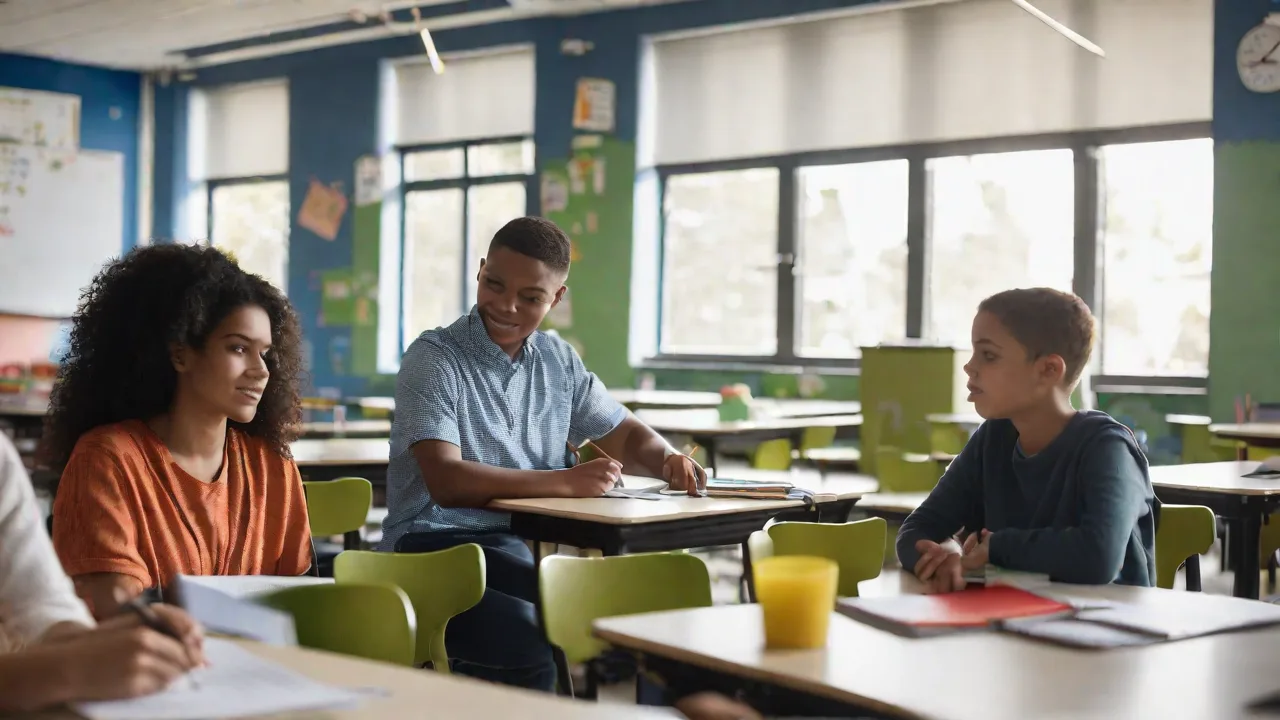
The Benefits of Collaborative Learning in Schools
Collaborative learning has become an essential pedagogical approach in modern education. This method encourages students to work together, fostering a sense of community and enhancing their learning experience. In this article, we will explore the numerous benefits of collaborative learning in schools.
What is Collaborative Learning?
Collaborative learning is an educational approach that involves students working together in groups to achieve a common goal. This method emphasizes teamwork, communication, and mutual support among peers. It contrasts with traditional learning methods, where students often work independently.
Benefits of Collaborative Learning
- Enhanced Critical Thinking Skills: Collaborative learning encourages students to engage in discussions, analyze different viewpoints, and solve problems collectively.
- Improved Communication Skills: Working in groups helps students develop their verbal and non-verbal communication skills, which are vital for their future careers.
- Increased Engagement: Students are more likely to be engaged and motivated when they work with their peers, making learning more enjoyable.
- Development of Social Skills: Collaborative learning promotes teamwork and helps students build relationships, fostering a sense of belonging.
- Diverse Perspectives: Group work allows students to encounter and appreciate diverse perspectives, enhancing their understanding of various topics.
Enhanced Critical Thinking Skills
Critical thinking is a crucial skill in today’s world. Collaborative learning encourages students to think critically by engaging in discussions and debates. When students work together, they must evaluate different ideas, analyze arguments, and come to conclusions as a group.
Improved Communication Skills
Effective communication is a key component of successful collaboration. Students learn to express their ideas clearly and listen actively to their peers. This skill is not only important in academic settings but also in their future professional lives.
Increased Engagement
Collaborative learning creates a dynamic and interactive learning environment. Students are more engaged when they participate in group activities, leading to higher retention of information and a deeper understanding of the subject matter.
Development of Social Skills
Working collaboratively helps students develop essential social skills. They learn to cooperate, negotiate, and resolve conflicts, which are important aspects of working in teams. These skills are invaluable in both personal and professional contexts.
Diverse Perspectives
Collaborative learning provides students with the opportunity to hear different viewpoints. This exposure to diverse perspectives enhances their understanding and encourages open-mindedness. It prepares them to work in a global society where collaboration across cultures is increasingly common.
Implementing Collaborative Learning in the Classroom
To effectively implement collaborative learning in the classroom, teachers can adopt various strategies. Here are some practical approaches:
- Group Projects: Assign projects that require students to work in teams, encouraging collaboration and shared responsibility.
- Peer Teaching: Allow students to teach each other, reinforcing their understanding of the material while developing their communication skills.
- Discussion Groups: Create small discussion groups where students can share ideas and debate topics, fostering critical thinking and engagement.
- Role-Playing Activities: Use role-playing to simulate real-world scenarios, helping students practice collaboration and problem-solving in a safe environment.
- Collaborative Technology: Utilize online tools and platforms that facilitate collaboration, especially in remote or hybrid learning environments.
Group Projects
Group projects are a classic method of collaborative learning. They allow students to divide tasks, share ideas, and collectively create a final product. This approach teaches students how to manage time and resources effectively.
Peer Teaching
Peer teaching encourages students to take on the role of the educator. By explaining concepts to their classmates, they reinforce their own understanding and develop confidence in their knowledge.
Discussion Groups
Discussion groups provide a platform for students to engage in dialogue about various topics. This interaction promotes critical thinking and allows students to articulate their thoughts while considering others’ opinions.
Role-Playing Activities
Role-playing activities immerse students in real-life scenarios, encouraging them to collaborate and think critically. This experiential learning helps them develop problem-solving skills in a practical context.
Collaborative Technology
Incorporating technology into collaborative learning can enhance the experience. Online tools such as shared documents and communication platforms facilitate collaboration, especially in distance learning settings.
Challenges of Collaborative Learning
While collaborative learning has many benefits, it also comes with challenges that educators must address. Here are some common issues:
- Unequal Participation: Some students may dominate group discussions, while others may feel marginalized.
- Conflict Resolution: Disagreements among group members can hinder progress and create tension.
- Assessment Difficulties: Evaluating individual contributions in a group setting can be challenging for teachers.
- Time Management: Group work can take longer than expected, leading to time management issues.
Unequal Participation
One of the main challenges of collaborative learning is ensuring that all students participate equally. Teachers must create an environment where every voice is heard and valued.
Conflict Resolution
Disagreements can arise in group settings, and teachers must equip students with conflict resolution strategies. Teaching students how to navigate conflicts is essential for successful collaboration.
Assessment Difficulties
Assessing individual contributions can be challenging in collaborative settings. Teachers may need to develop rubrics that account for both group and individual performance.
Time Management
Group work can sometimes lead to time management issues. Teachers should set clear deadlines and provide guidance on how to manage time effectively within groups.
Conclusion
Collaborative learning offers numerous benefits that enhance the educational experience for students. By promoting critical thinking, communication, and social skills, this approach prepares students for the challenges of the future. Despite the challenges, with effective strategies in place, collaborative learning can be a powerful tool in the classroom.